
Investor Relations

1854 Motors commercializes our own sodium ion battery technology through automotive application, creating the first Western company to bring production-ready sodium-ion EVs to market.
The WHY
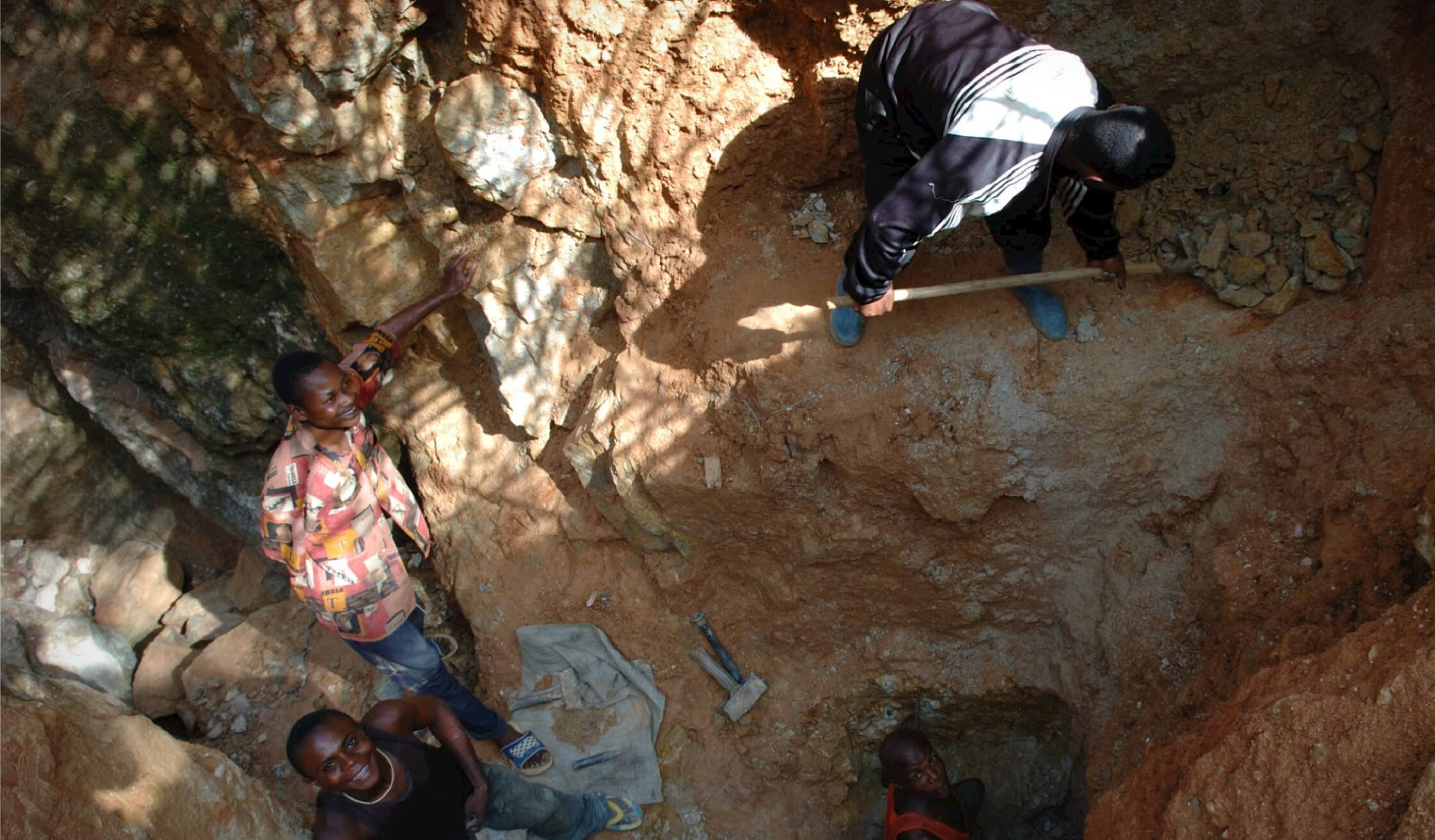
Forty thousand children are in cobalt mines right now in the Democratic Republic of Congo. They're there because your lithium-ion battery was cheaper than the alternative. We're building the alternative.
Our own sodium ion battery technology removes that choice. It's cheaper. It works better in cold climates. It's more ethical. It's faster to market. And it's proven globally.
We're not asking you to choose ethics over profit. We're saying that choosing our own sodium ion battery technology means you choose both.
The Opportunity
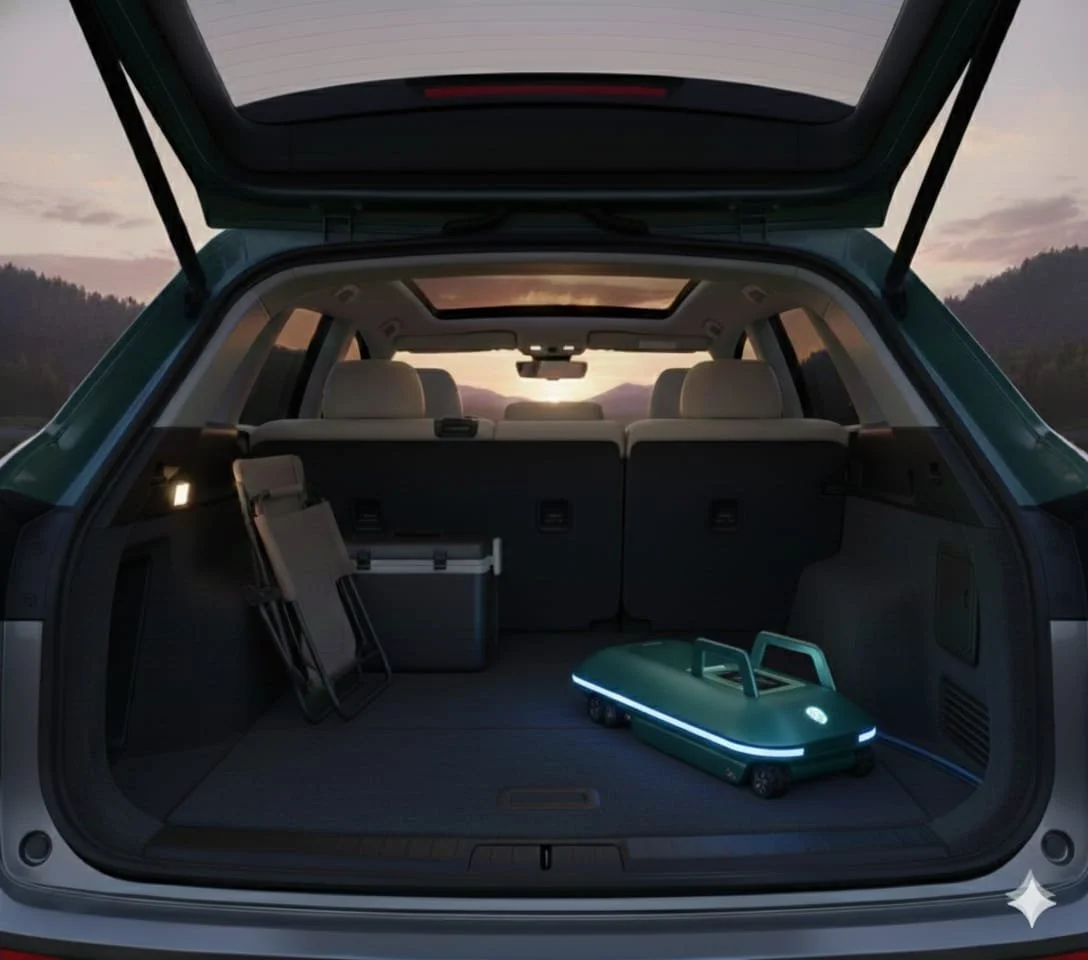
We're entering a market that doesn't yet exist in the West. Our own sodium ion battery technology is proven globally—CATL and BYD are already shipping thousands of vehicles in China. But no Western OEM has commercialized this technology yet. That's the opportunity.
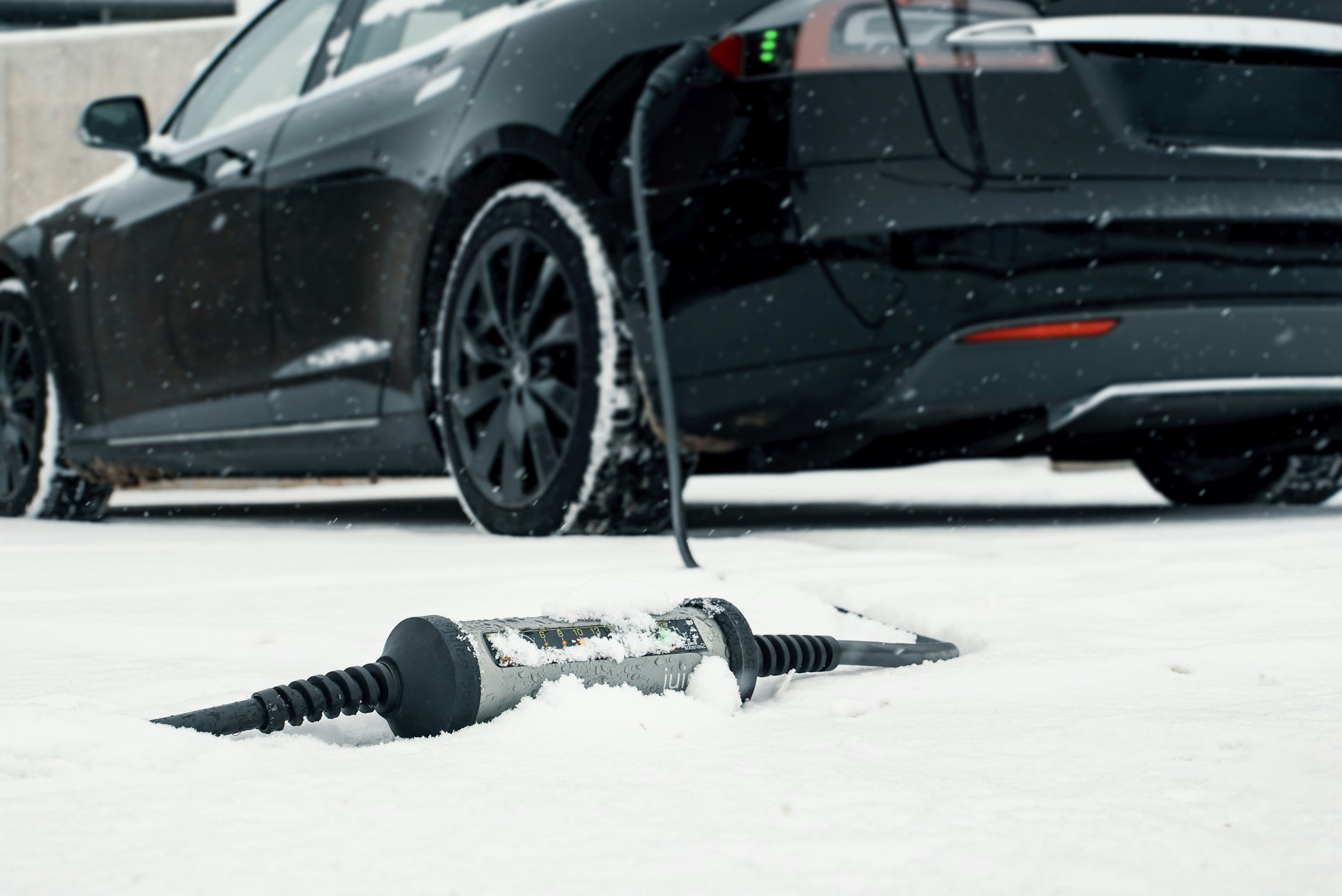
Cold-climate EV performance is a hard problem. Lithium-ion batteries lose 40-50% capacity in subzero conditions. Our own sodium ion battery technology maintains 88% capacity retention at -20°C. That's a 25-30% real-world advantage where it matters most—in the conditions where EV adoption is expanding fastest.
The Technology
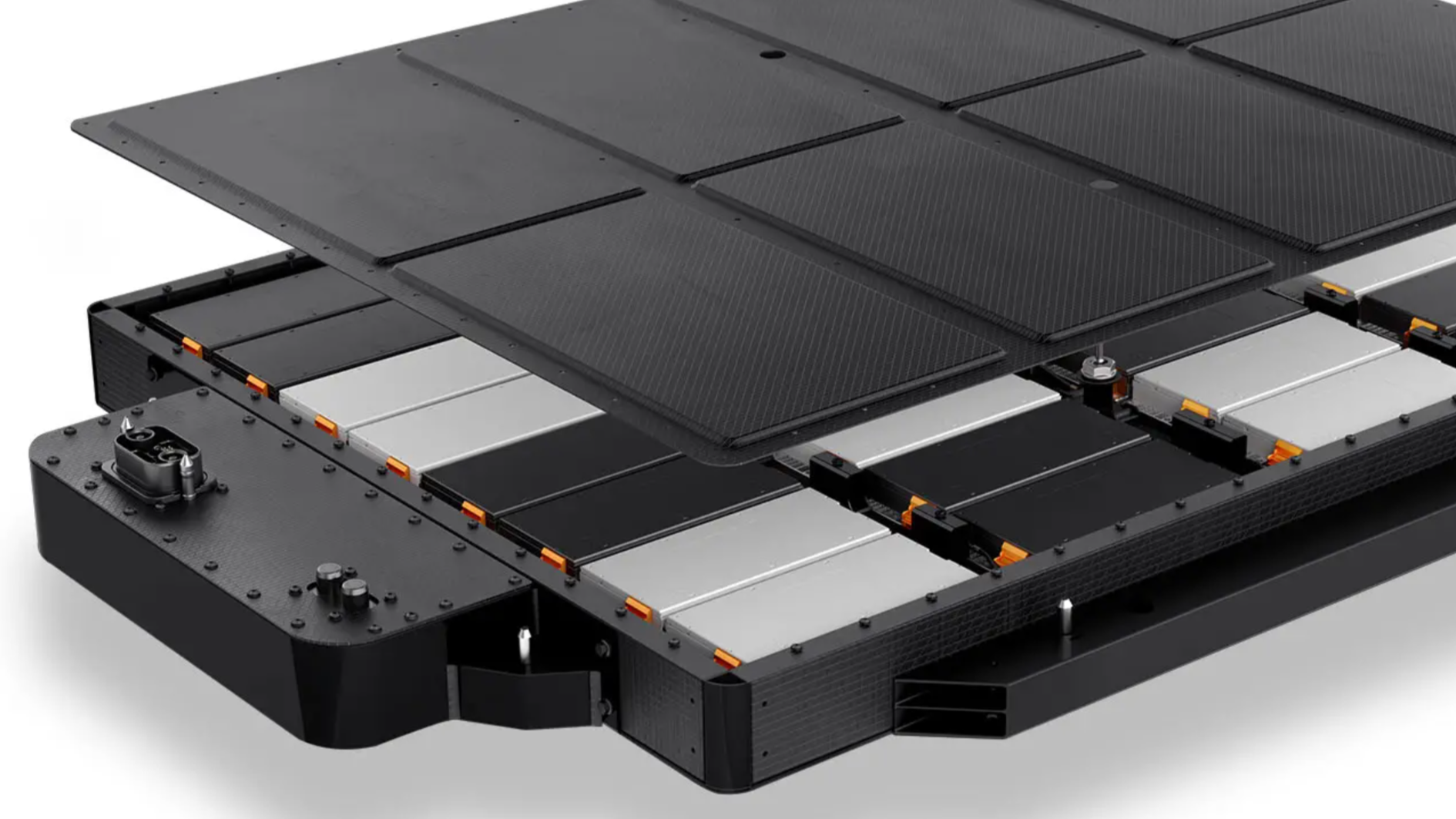
Our own sodium ion battery technology is built on CATL-validated cell chemistry at 30 GWh production scale, achieving $19/kWh cell costs globally. We've developed proprietary thermal management systems and vehicle integration protocols that make this technology production-ready in automotive applications. We hold 65+ patent applications across battery chemistry, thermal management, manufacturing processes, and vehicle integration—creating a defensible moat that competitors cannot replicate.
Our own sodium ion battery technology delivers measurable advantages:
88% capacity retention at -20°C (versus 55-70% for lithium-ion competitors)
300-mile range with less than 15-minute fast charging
10,000+ cycle life, providing 7x longer battery lifespan than lithium-ion
Complete elimination of cobalt and lithium extraction, removing child labor from our supply chain
35-40% lower COGS per vehicle ($10,800 additional gross profit per vehicle versus lithium-ion competitors).
The Platform
The Pierce
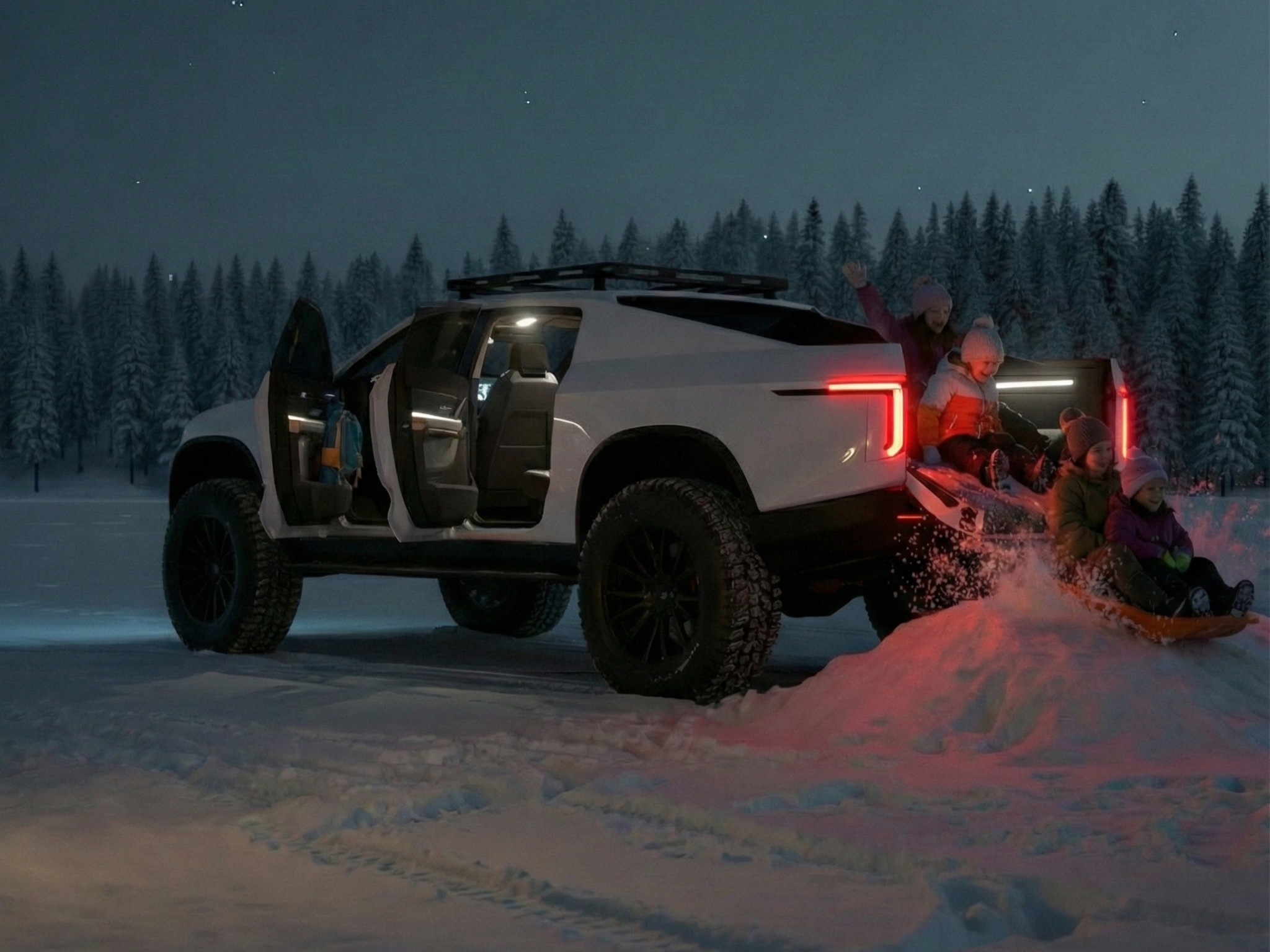
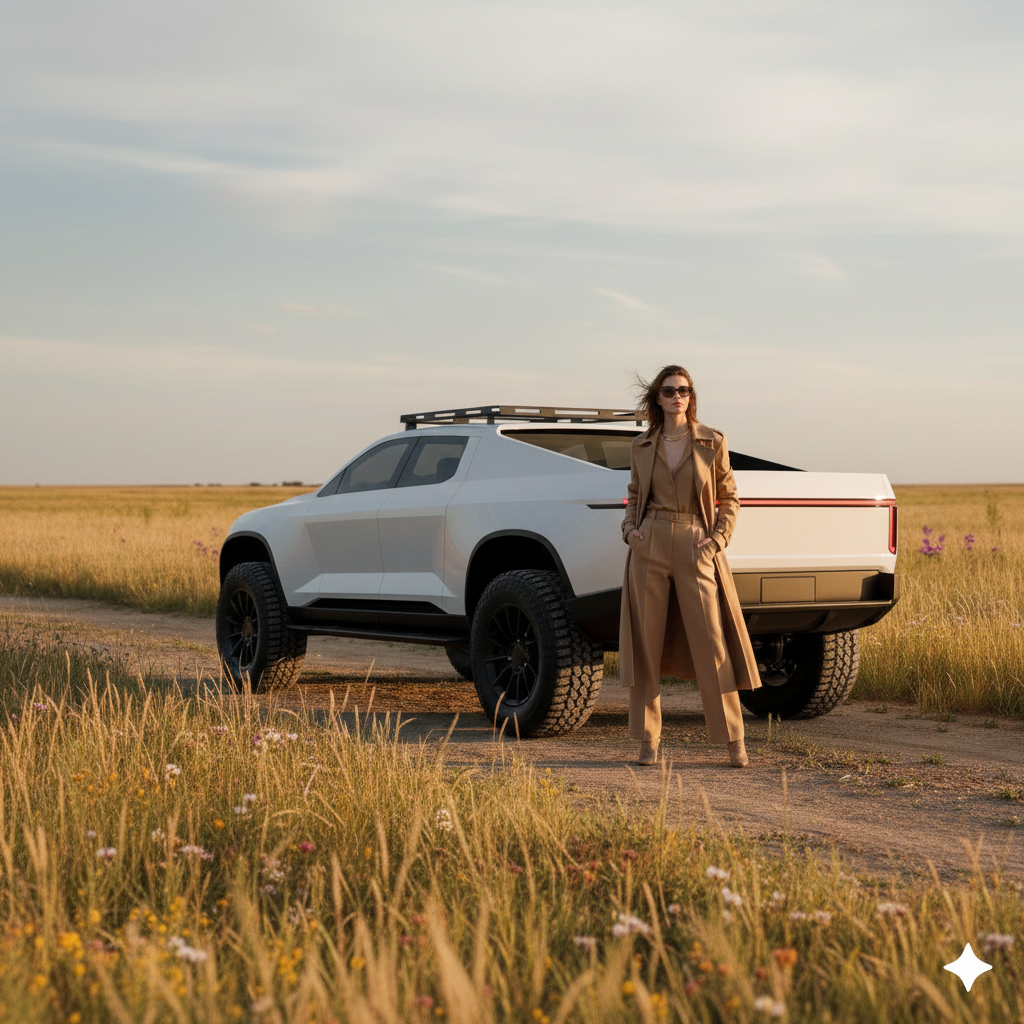
The Pierce is our entry vehicle—a purpose-built electric pickup truck designed for cold-weather superiority and ethical construction. But The Pierce is the validation vehicle for our broader platform. Our own sodium ion battery technology creates expansion opportunities beyond automotive into stationary energy storage, grid applications, and consumer electronics markets totaling $158 billion in TAM.
We call this our "Trojan Horse" strategy. Build vehicles to prove the technology works at scale. Then license our own sodium ion battery technology and thermal management systems to OEMs, stationary storage manufacturers, and grid operators. Vehicle applications provide real-world validation that pure-play battery companies cannot achieve. This creates licensing opportunities and expansion potential while building brand credibility with consumers who value ethical technology choices.
The market Position
We're not positioning our own sodium ion battery technology as a replacement for lithium-ion. We're positioning it as the dominant technology for cold-climate markets representing 60% of the US population. Minnesota, Wisconsin, Michigan, and the Northeast represent a $214 billion addressable market for EVs specifically designed for winter performance. Legacy OEMs require 3-5 years and $200-400M per platform to retool. We're production-ready in 18-24 months with $61M capital requirement.
Our own sodium ion battery technology is IRA-compliant for domestic production. The Chinese manufacturers leading EV adoption are offering sodium-ion vehicles. Western OEMs face the choice: build our own Western sodium-ion capability now, or license Chinese technology in 18-24 months and cede innovation leadership.
The customer
We target "Cultural Architects". socially conscious early adopters who value authenticity, environmental justice, and ethical supply chains over corporate marketing. These consumers have become disillusioned with Tesla due to ethical concerns. They're looking for a company that represents their values, not just their aspirations. They'll do our marketing for us if we're genuine. They'll absolutely reject us if we're not.
The Partnership Models
We're offering three tiers of strategic engagement

Technology Licensing (Available 2027)
Non-exclusive licensing of our own sodium ion battery chemistry and thermal management IP.
Value: $50-100M upfront plus 3-5% royalty on battery packs.
Strategic Co-Development (Available 2028)
Joint venture for OEM-specific sodium-ion variants.
Value: Revenue sharing plus equity stake.

Full Platform Acquisition (2029-2031)
Acquisition of technology, IP portfolio, team, and manufacturing partnership.
Valuation: $800M-$1.5B based on delivery milestones.
The Numbers
Automotive Entry Point:
$214 billion TAM (cold-climate EV market)
Beyond Automotive:
$158 billion TAM (stationary storage, grid applications, consumer electronics)
Unit Economics:
$10,800 additional gross profit per vehicle using our own sodium ion battery technology versus lithium-ion competitors
Profitability Timeline:
3,500 units versus 20,000+ required by traditional lithium-ion EV startupS
Timeline
Now - Q4 2025: Series A term sheets and strategic partnership discussions
Q1 2026: Series A close, partnership agreements execution
Q1 2027: SXSW 2027 public debut positioning as cultural moment titled "The Future Is Free" Pre-sales campaign launch targeting 2,500 reservations at $3,000 deposits
Q2 2028: Full production scaling
2029-2031: Acquisition window and licensing expansion into stationary storage markets
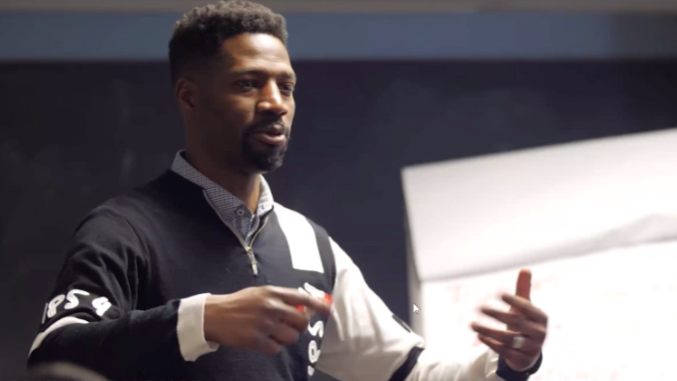
BRANDALE D. RANDOLPH
Founder and CEO
In 2016, Brandale started 1854 Cycling, creating living-wage jobs for the formerly incarcerated. After reading "Cobalt Red," he discovered the EV revolution was built on child labor in cobalt mines. So he did what he always does: he chose a different path. Now he's building sodium-ion electric vehicles that reject exploitation and embrace abundance..
Meet the team
(Click on Names for LinkedIn Profiles)
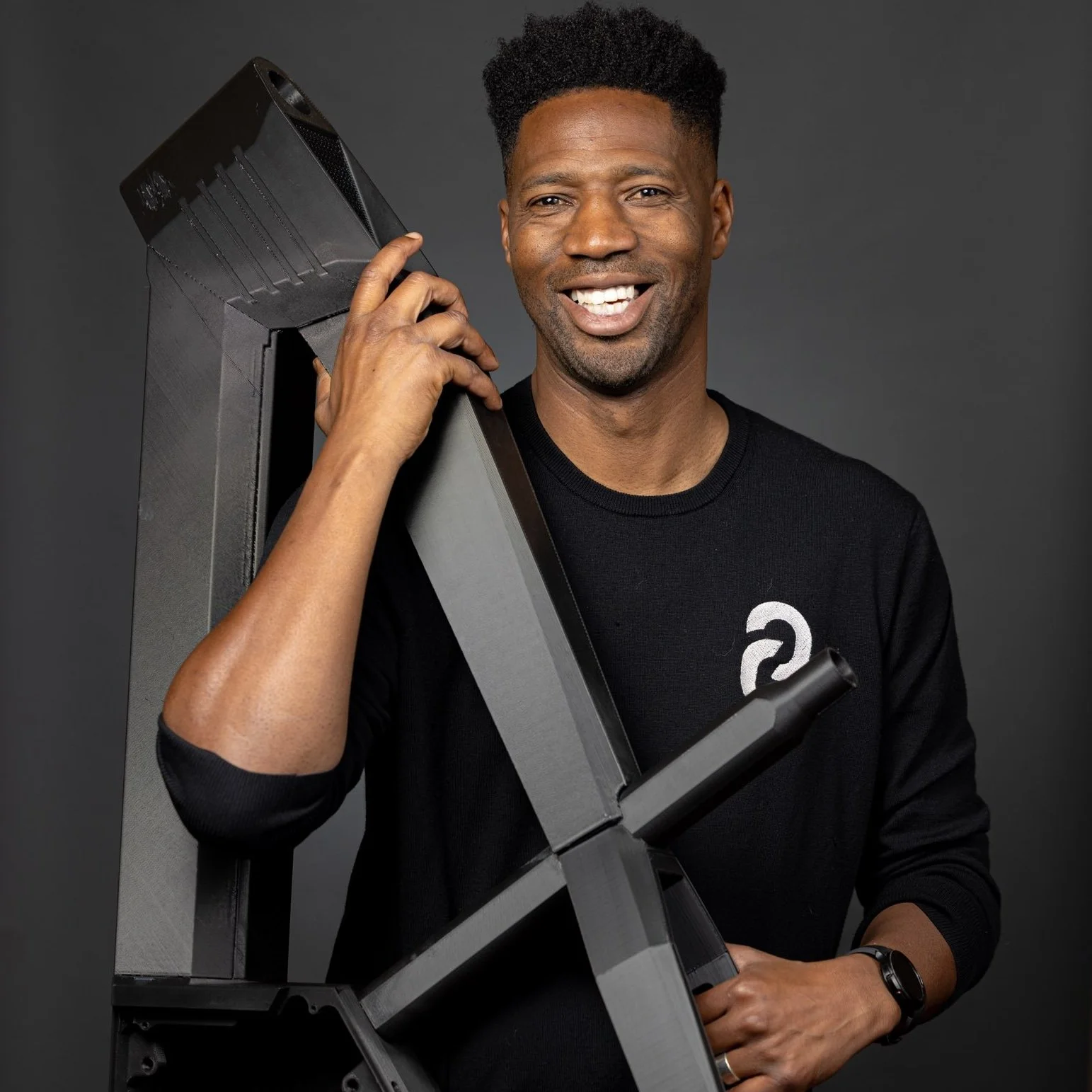
Brandale D. Randolph, Chief Executive Officer


Bradley George, Chief Operations Officer*

Ian Corbin, Chief of Investment*

Dr. Angela Randolph, Board Chairman*
Dan J. Nunn, Chief Financial Officer*
Matthew DeRemer, Chief Technology Officer*

Subathra Rajendran, Chief Chemistry Officer*

Nate McKelvey, Chief Brand Officer*